🌿 New for 2026: Canadian Gardeners - Fall Chores
👉 - If you have the time to help me out - please share canadian-gardening.ca with friends. Thank you!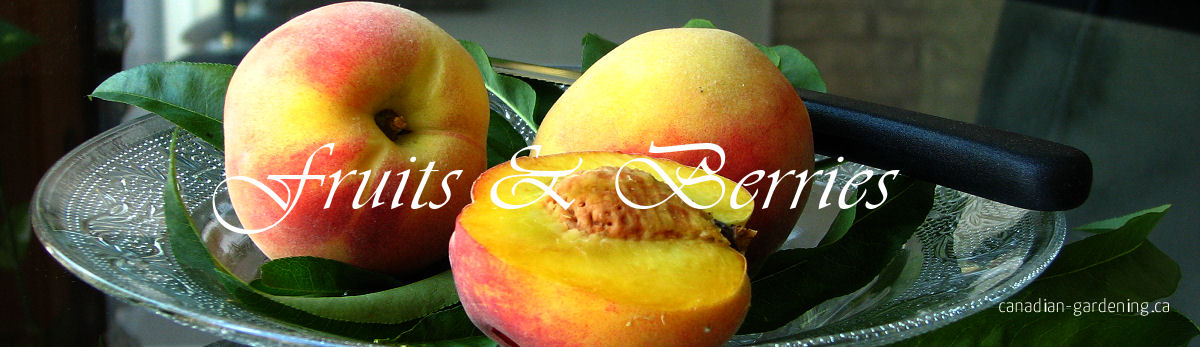
Grow Fruit & Berries in Cold Climates
Your Mini-Guide to Growing Delicious Fruits in Canada
From juicy berries to sprawling melons and fruit trees, this guide helps you feed your garden — and perhaps the neighbourhood critters too!
Espalier - Fruit Trees
-
If you get a lot snow - remember to protect your lower branches on your fruit tress. I forgot all about that last year and the bunnies had a feast all winter.
- Espalier - Fruit Trees
- Fruit Trees - Bugs and Diseases
- Learn how to - Espalier - Fruit Trees
Berries
- Blueberries - Good in Zone 5
- Strawberries – Sweet, easy to grow and perfect for small spaces.
- Blackberries – Hardy and fruitful, ideal for hedges or trellises.
- Growing Grapes in Canada
Melons
I didn't think I could grow Melons in zone 6. Every Christmas we buy fresh fruit for the holidays and in the spring Mother's Nature showed me how to grow my own fruit in the compost bin. That was a pleasant surprise and a learning experience.
- Melons – Summer’s favourite, needs warm soil and plenty of space.
- Watermelons - so sweet - freezes well
- Cantaloupe – Fragrant, sweet, and perfect for home gardens.
- Growing Cantaloupe - Sister site
Fruit Trees & Vines -
- Growing Grapes – Perfect for trellises or arbours; attracts both you and the local wildlife.
- Apple Trees – Hardy varieties for Canadian gardens, ideal for fresh eating and pies.
- Asian Pear Trees – Sweet, juicy fruit that thrives with proper pruning and care.
- Plum Trees – sometimes the squirrels leave me some
- Writing about Peach Trees – They Require a bit more attention, but the reward is well worth it.
Explore Other Pages
Do Fruits and Berries Ripen After Picking?
Not all fruits continue to ripen after they are picked. Some can continue developing sweetness and flavour after harvest, while others need to reach their desired ripeness while still on the plant.
Harvest timing also varies with variety, weather and growing zone. The information below is a general guide rather than a substitute for knowing your particular fruit.
| Fruit or Berry | Ripens After Picking? | What to Look For |
|---|---|---|
| Apples | Yes | Harvest when mature. Look for changes in colour, firmness, flavour and ease of separation from the tree. |
| Pears | Yes — usually | Pick mature but still firm. Most European pears ripen better after harvest, often after a period of cold storage. |
| Peaches | Yes | Can continue to soften and develop flavour after picking. For the best eating quality, harvest when mature rather than very immature. |
| Plums | Yes | Can continue to ripen after picking. Harvest timing depends on variety and intended use. |
| Apricots | Yes | Can continue to ripen after harvest, but flavour is best when harvested at the proper mature stage. |
| Nectarines | Yes | Can continue to soften and develop flavour after picking. |
| Quince | Yes | Can continue to develop after harvest and is generally harvested before it reaches its final eating condition. |
| Persimmons | Yes | Some types need to soften considerably before eating. Variety matters. |
| Figs | Limited | Best harvested when ripe. They can soften after picking, but do not expect an immature fig to become a fully ripe, sweet fig. |
| Blueberries | No | Pick when ripe and sweet. They may soften after harvest but do not become significantly sweeter. |
| Strawberries | No | Pick when ripe. They do not become sweeter after harvest. |
| Raspberries | No | Pick when ripe and easily released from the plant. They are highly perishable. |
| Blackberries | No | Pick when fully coloured and ripe. They do not become sweeter after harvest. |
| Currants | No | Allow them to reach the desired colour and flavour on the plant before picking. |
| Gooseberries | No | Harvest according to intended use, but they do not become sweeter after picking. |
| Saskatoon berries / Juneberries | No | Allow berries to develop their full colour and flavour before harvesting. |
| Cherries | No | Allow them to reach desired ripeness on the tree before picking. |
| Grapes | No | Leave them on the vine until they have reached the desired sweetness and flavour. |
| Hardy kiwi | Yes | Can be harvested while still firm and allowed to ripen after harvest. Timing depends on variety and growing conditions. |
| Cranberries | No | Harvest when mature; they do not continue to ripen in the same way as apples or pears. |
| Tomatoes | Yes | Tomatoes can ripen after picking, making them particularly useful when frost threatens. |
| Cantaloupe | Some varieties | Some melons continue to ripen after harvest, while others mainly soften without gaining much sweetness. Variety matters. |
A useful distinction
Fruit can soften or deteriorate after picking without actually ripening. Ripening involves changes such as increased sweetness, changes in acidity, flavour and aroma, and changes in texture. Simply becoming soft does not necessarily mean that an immature fruit has become ripe.
For the home gardener, the simplest rule is:
- Apples, pears and many stone fruits: can continue ripening after harvest.
- Grapes, strawberries, raspberries, blackberries and cherries: should be allowed to reach their desired ripeness before picking.
Site support: Advertising helps support canadian-gardening.ca and keeps the site free for everyone.