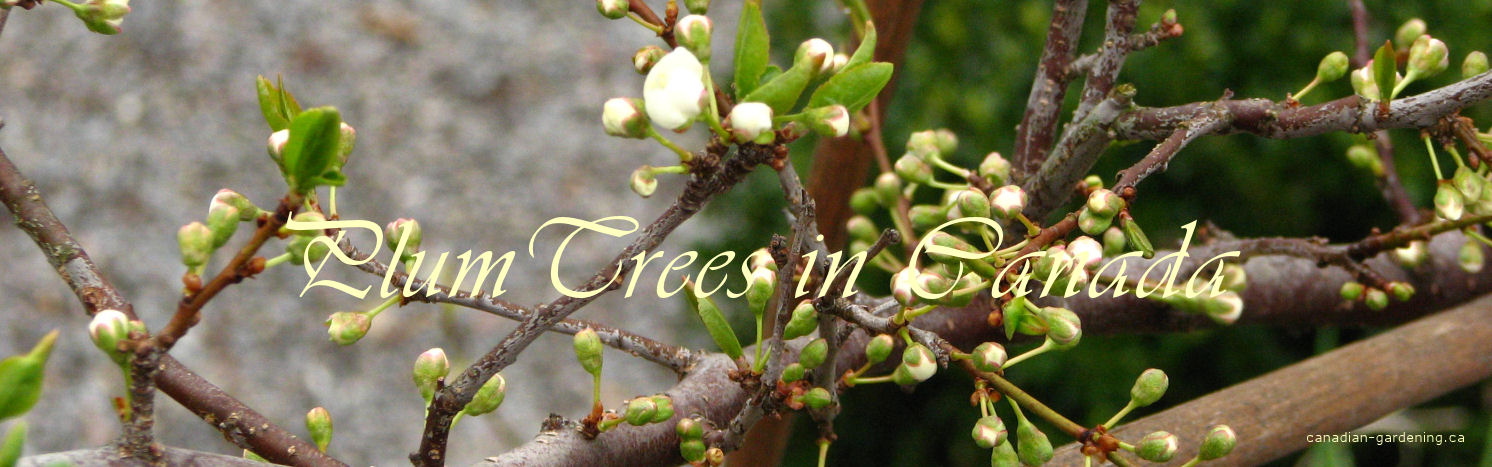
Plum tree planting

Plum Tree Planting Guide

Timing, Soil Preparation, and Planting Steps

This guide explains how to properly plant plum trees in Canadian conditions, including when to plant, how to prepare soil, correct planting depth, and step-by-step instructions.
I have two young plum trees - no fruit - one of these days it will surprise me. :)
Question for you:
Do you know if your plum tree needs a second tree for pollination?

When to Plant (Spring or Fall)

Plum trees are best planted during dormancy in early spring or late fall. Spring planting is generally safer in colder regions like Ontario.

  • Spring planting: recommended for cold climates
  • Fall planting: works if roots establish before freeze
  • Bare root trees: plant early spring
  • Container trees: more flexible timing

Soil Preparation

Plum trees require well-drained soil and full sun. Poor drainage is one of the most common causes of failure.

  • Ensure good drainage
  • Avoid heavy, compacted soil
  • Add compost or organic matter
  • Target pH: 6.0–7.0
  • Full sun (6–8 hours daily)

Determine the Planting Depth

The graft union should remain above the soil line. Planting too deep can reduce growth and increase disease risk.

  • Keep graft union above soil
  • Match original nursery depth
  • Expose root flare

How to Plant

  • Dig a hole twice as wide as the root system
  • Loosen soil at the bottom
  • Place tree and spread roots naturally
  • Backfill with native soil
  • Water thoroughly
  • Apply mulch, avoiding trunk contact

Yield per Plant

Plum trees typically begin producing fruit within 2–4 years depending on variety and growing conditions.

Culture (Care & Maintenance)

  • Water regularly during establishment
  • Avoid overwatering
  • Prune lightly in early years
  • Monitor for pests and leaf damage
  • Mulch to retain moisture and regulate temperature

Harvest

Plums are typically harvested in mid to late summer depending on the variety. Fruit is ready when slightly soft and fully coloured.

Some plum varieties are self-fertile, while others require cross-pollination. Check your specific variety.

The graft union should remain above the soil line, with the root flare at ground level.

Yesβ€”hardy varieties can tolerate cold winters, especially with proper planting and mulching.

Quick Facts
  • Best planted in spring or fall
  • Requires full sun
  • Needs well-drained soil
  • Graft union must stay above soil

Explore Other Pages


πŸ‘‰ Join our Gardening Forum
If you're unsure about frost dates, planting times, or what works in your garden, this is the best place to ask.
I’ll be there as your gardener, cook and admin - sharing real-world experience, not just textbook answers.
Beginner questions are absolutely welcome. You don’t need to be experienced to get helpful answers.
Posts are answered publicly so other gardeners can learn from your question too - and you’ll often get more than one perspective.
πŸ‘‰ Visit the Garden Forum - quick replies and a growing Canadian gardening community


Site support: Advertising helps support canadian-gardening.ca and keeps the site free for everyone.