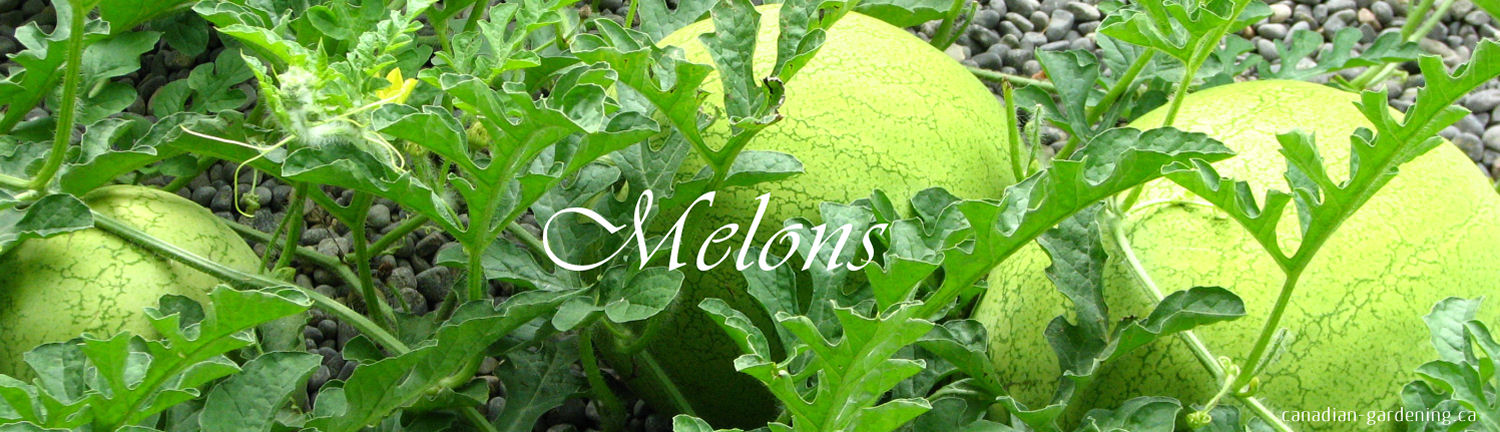
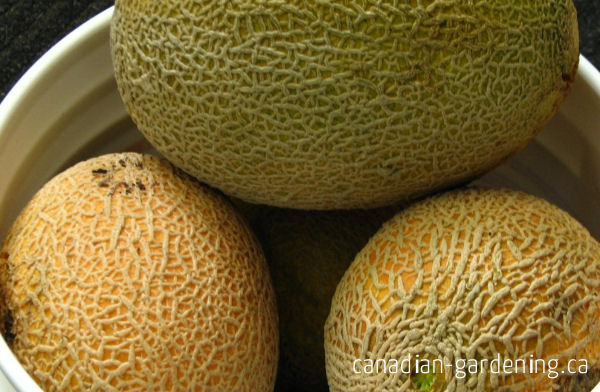
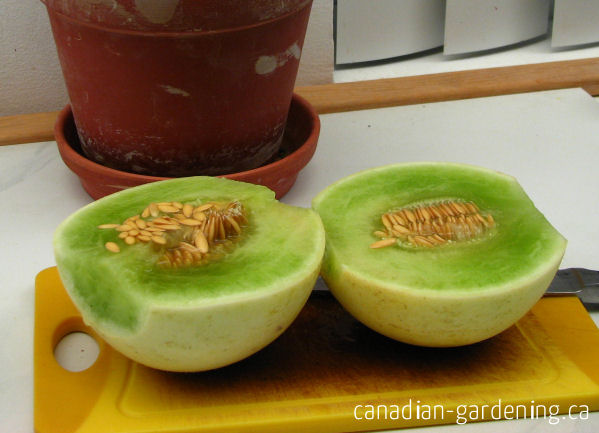
Melons are heat-loving cucurbits that reward patient gardeners with intensely sweet fruit at the height of summer. While they demand warmth and space, they can be grown successfully in many Canadian zones with proper planning. This guide covers muskmelons (including cantaloupe and honeydew) and watermelons — from seed starting to harvest.
Why Grow Melons?
Melons are not pantry staples like potatoes or squash, but they are morale boosters. Few crops deliver the satisfaction of harvesting sun-warmed fruit directly from your own garden. They say "summer" to me.
High sugar content when vine-ripened
Excellent for fresh eating and preserving
Good use of hot microclimates
Strong pollinator support
Melons require consistently warm soil (18–21°C minimum) and full sun. In Zones 3–6, start seeds indoors 3–4 weeks before last frost. Use black mulch or raised beds to increase soil warmth. Choose short-season varieties where summers are brief.
Allow 2–3 feet between plants and 4–6 feet between rows. Muskmelons can be trellised with support slings for fruit. Watermelons are typically grown on the ground unless small-fruited varieties are used.
Melons produce separate male and female flowers. Bees are essential for pollination. Poor fruit set often results from cool temperatures or low pollinator activity.
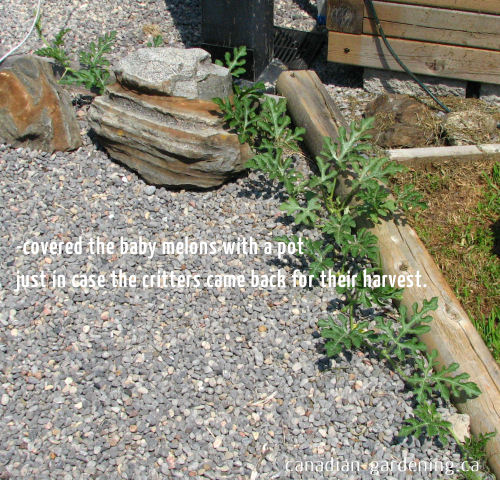
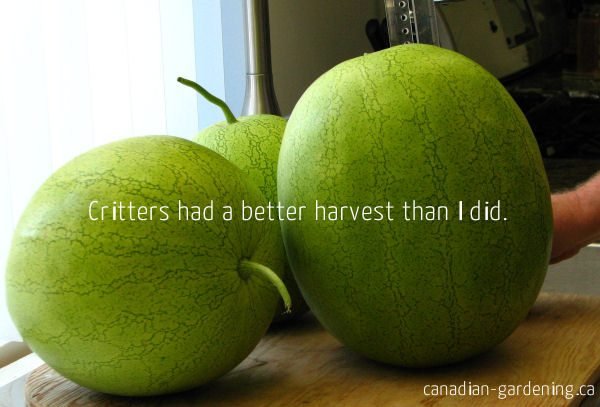
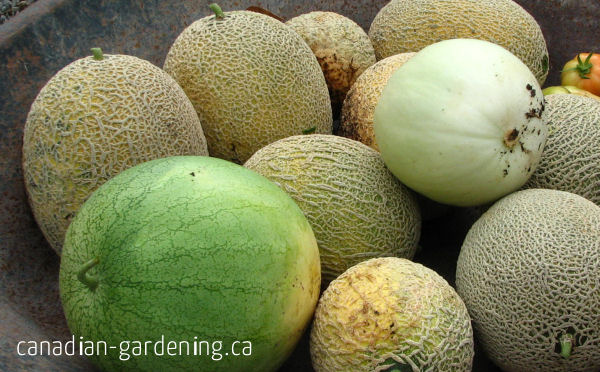
A few years ago, a watermelon seed appeared on my gravel path. I didn’t plant it, but it thrived — the moisture and warmth from the gravel helped it produce the largest watermelons I’ve ever harvested. Zone 6 gardeners: don’t underestimate microclimates! I said "thank you" to my backyard critters and even shared seeds with them. :)
Where the unexpected watermelon seed sprouted — right on my gravel path!The largest watermelons I’ve ever harvested, thanks to my little gravel patch microclimate.
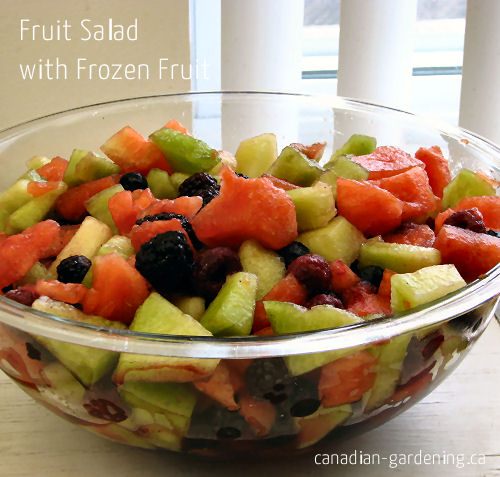
I freeze both muskmelons and watermelon for winter fruit salads. Muskmelons keep texture and sweetness nicely; watermelon softens, but works beautifully for smoothies or chopped salads.
Cut into cubes for easy portioning.
Freeze fully ripe fruit.
Use airtight containers or freezer bags, label date.
Enjoy within 8–12 months.
Type
Species
Days to Maturity
Cantaloupe / Muskmelon
Cucumis melo
75–90 days
Honeydew
Cucumis melo
80–95 days
Watermelon
Citrullus lanatus
80–100 days
Quick Growing Notes
Require full sun (8+ hours daily)
Prefer well-drained, compost-rich soil
Consistent watering is critical during fruit development
Reduce watering slightly near harvest for sweeter fruit
Microclimates (like gravel paths!) can make a difference in cooler zones
Melons:
To me and my backyard critters melons says "summer".
So I take the baby melons and pot them in a pot and cover the melons in the pot with straw. This year I don't have straw so, I'll use shredded paper.