Cherry tree growing in a Canadian garden

Growing Cherry Trees in Canada

Cold Hardy Varieties, Pollination, Care and Protecting Your Harvest

Cherry trees can be rewarding additions to a backyard orchard, but they can also be more challenging than apples and pears. Choosing the right variety, providing good growing conditions, and protecting the fruit from pests and wildlife are important steps for success.

Sweet cherries such as Bing produce delicious fruit, while sour cherries are often better choices for colder climates because they are usually more reliable.

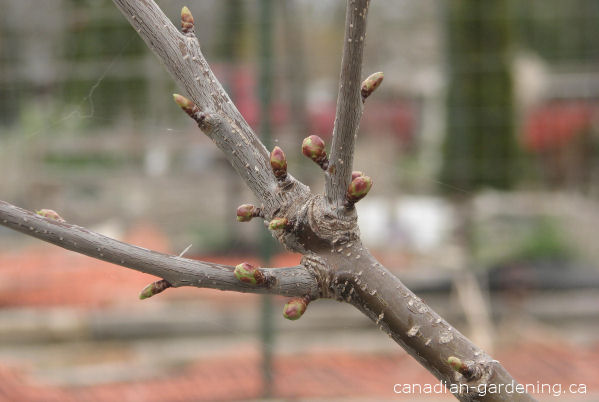
Cherry tree  buds in spring

Choosing the Right Cherry Tree

The first step to growing cherries successfully is selecting a variety suited to your climate.

  • Sweet cherries are excellent for fresh eating.
  • Sour cherries are often more cold hardy.
  • Choose varieties that match your winter conditions.
  • Consider pollination needs before planting.
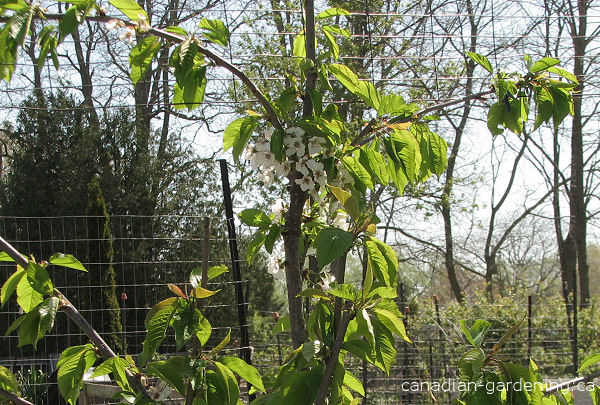
Bing cherry tree with flowers

Sweet Cherries and Sour Cherries

Sweet cherries such as Bing are known for their large, sweet fruit. However, they can require more attention in colder regions.

Sour cherries are often easier for Canadian gardeners because many varieties are self-fertile and handle colder temperatures better.

  • Bing - excellent fresh eating cherry.
  • Lapins - sweet cherry with good backyard potential.
  • Evans - cold hardy sour cherry.
  • Montmorency - classic pie cherry.

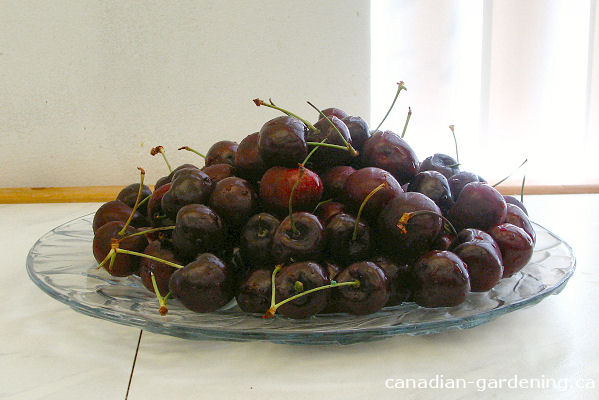
Bing  Cherries from Kelowna B.C.
loading=

Bought Cherries from Kelowna B.C.

In a few years I hope to replace this photo with my own cherries. 🍒

Wishing for a full bowl of homegrown cherries after the wildlife has taken their tax. 🍒

Many sweet cherries need another compatible cherry variety for pollination. Sour cherries are often self-fertile and can produce fruit with one tree.

Ants are often attracted to damaged or overripe fruit. Fruit bags can protect cherries from many pests, but small insects may still find a way inside.

Cold hardy varieties such as Evans, North Star, and Montmorency sour cherries are popular choices for colder Canadian gardens.

Here's what I've found: aphids, Japanese beetles and ants.


Cherry Variety Type Pollination
Bing Sweet Cherry Needs compatible partner
Lapins Sweet Cherry Self-fertile
Evans Sour Cherry Self-fertile
Montmorency Sour Cherry Self-fertile
Cherry Tree Quick Facts
  • Plant in full sun with well-drained soil.
  • Water deeply during dry periods.
  • Protect young trees from rabbits, voles and wildlife.
  • Good airflow helps reduce disease problems.
  • Protect fruit from critter and insects - including ants
    Even using fruit bags the small ants got in.

The World's Most Watched Cherry:

After years of waiting, my Bing cherry tree finally produced fruit. The entire harvest consisted of one cherry — carefully protected in a fruit bag. Unfortunately, the ants discovered it first.
The lesson: fruit bags help, but even tiny garden visitors can have big ambitions.

"What am I going to do with all these cherries?"
Up to know I get critters' leftovers - so I don't think I will have to worry about having more cherries than I can use. However, I would love to have enough cherries to share with my neighbours and then the critters may have whatever they want. See - I'm good - well most of the time, the rest of the time, you don't want to know. :)

Explore Other Fruit Tree Pages

Garden Notes:

Don't be discouraged if you only have room for one cherry tree. Many gardeners assume they need space for two trees, but that isn't always the case. If your neighbours have compatible cherry trees nearby, bees may carry pollen between them during bloom time.

I only have one Bing cherry tree, and this year it produced fruit. According to many fruit-growing guides, a Bing cherry may produce fewer cherries without a compatible pollinator, but "fewer" doesn't necessarily mean "none." For a backyard gardener, even a small harvest can be rewarding. I'll be interested to see how my tree performs next year.

If you have room for only one tree, another option is to purchase a multi-grafted cherry tree. These trees have two or more compatible cherry varieties grafted onto a single trunk, allowing the different varieties to help pollinate each other while giving you a selection of cherries from one tree.

These observations come from growing fruit trees in my own Ontario garden. Every yard has different soil, weather, and wildlife, so your results may vary — but I hope my experiences help you avoid a few surprises along the way.