New for 2026: Gardening Updates & Guides
🌿 Fresh tips for accessible, climate and container gardening! 💡 Tip: Bookmark this website to quickly find seasonal guides whenever you need them.
Don't Know Where to Start: Try Growing by Zones 2-9 - Google Search Box at the bottom of the page - works most of the time. :)
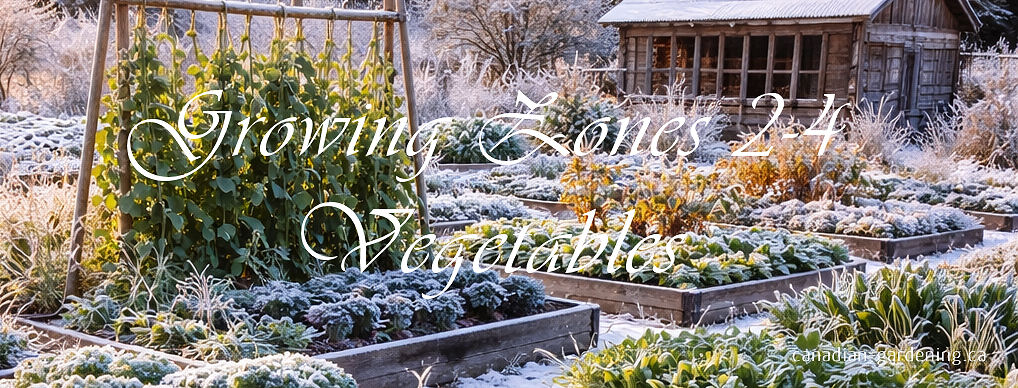
Vegetable Gardening in Zones 2–4
Plan your season with frost dates, planting schedules, and harvest tips
Zones 2–4 in Canada have short, cold winters and brief growing seasons. This guide will help you maximize your vegetable yield with clear frost dates, seed-starting schedules, transplant times, succession sowing tips, and harvest advice for your zone. I know someone that's growing in Zone3 - and a greenhouse and a hoop house have been helpful. It doesn't have to be anything fancy - just a way to warm up the soil.
Top Vegetables for Zones 2–4
- Potatoes – cold-tolerant, reliable, easy to grow
- Carrots – hardy, can sow early, good for succession
- Peas – frost-hardy, plant early, support climbing varieties
- Beans – warm-season, quick-maturing, continuous harvest
- Beets – cold-tolerant, edible roots and greens, succession sowing works
- Cucumbers – start indoors or use cloche, quick-maturing varieties
All these vegetables are suited for short seasons and cool soils—perfect for making the most of your Zone 2–4 garden!
Frost Dates and Growing Season
Knowing your average last spring frost and first autumn frost is key for planning your garden.
| Zone | Last Frost (avg) | First Frost (avg) | Frost-Free Days |
|---|---|---|---|
| 2 | June 15 | Sept 10 | ~85 days |
| 3 | May 25 | Sept 20 | ~118 days |
| 4 | May 10 | Oct 5 | ~148 days |
Tip: Microclimates can shift frost dates. Always protect tender transplants with row covers if uncertain.
Vegetable Planting Schedules
Seed-Starting (Indoors)
| Vegetable | Start Indoors (weeks before last frost) | Direct Sow? | Notes |
|---|---|---|---|
| Tomato | 6–8 | No | Transplant after frost |
| Peppers | 8–10 | No | Warm soil required |
| Lettuce | 3–4 | Yes | Can be direct sown or transplanted |
| Cabbage | 6–8 | No | Transplant seedlings after frost |
| Cucumbers | 3–4 | No | Needs warm soil (>18°C); quick-maturing varieties (50–60 days) |
| Potatoes | 3–4 Chit | Yes (plant seed potatoes) | plant directly in soil |
| Corn | 3–4 | Yes | Warm soil required |
| Peas | Not needed | Yes | Cold-hardy; can tolerate light frost; plant as soon as soil can be worked |
| Beans | 2–3 weeks (optional indoors for short season) | Yes | Warm-season; avoid frost; direct sow when soil >15°C |
| Beets | Not needed | Yes | Cold-tolerant; thin seedlings; succession sow for continuous harvest |
| Onions (from Seed) | 10–12 weeks before last frost | No | Start indoors under grow lights; transplant seedlings once soil can be worked; long-day varieties only. |
| Onions (from Sets / Small Bulbs) | Not needed | Yes | Plant directly in soil as soon as it’s workable; faster start, smaller bulbs; tolerant of light frost. |
| Green / Bunching Onions | Not needed | Yes | Sets or direct sow; harvest continuously; tolerates short seasons well. |
| Garlic | Direct sow in September or before soil freezes | 10 to 20 cm (15 to 30 cm) between rows | Harvest Garlic July - September or when the leaves are turning yellow. For me it's July. |
Transplanting
| Vegetable | Transplant Date | Spacing | Notes |
|---|---|---|---|
| Tomato | After last frost | 45–60cm | Harden off seedlings first |
| Lettuce | 2 weeks after last frost | 12–18cm | Tolerates light frost |
| Cabbage | 2–3 weeks before last frost | 30–45cm | Cold-hardy seedlings |
| Peppers | After last frost, soil >18°C | 45cm | Needs warm soil |
| Cucumbers | 1–2 weeks after last frost | 45–60cm | Use cold frame/cloche if soil is still cool; full sun |
| Potatoes | When soil is workable (7–10°C) | 30–35cm apart | Light frost tolerant; hill soil as plants grow |
| Corn | After last frost | 20–30 cm apart | Block Planting: To ensure proper pollination (wind-driven) |
| Peas | 2–4 weeks before last frost | 5–10cm between seeds | Use supports for climbing varieties; cold-hardy |
| Beans | After last frost | 10–15cm between seeds | Warm soil; bush or pole types |
| Beets | 2–4 weeks before last frost | 5–10cm between seeds | Succession sow for continuous harvest |
| Onions (from Seedlings) | As soon as soil can be worked (7–10°C) | 10–15 cm between plants, 25–30 cm between rows | Harden off seedlings 1–2 weeks before transplant; long-day varieties only; tolerates light frost. |
| Onion Sets / Small Bulbs | Direct sow as soon as soil is workable | 10–15 cm between plants, 25–30 cm between rows | Plant slightly deep (~2–3 cm); fast-growing and forgiving; smaller bulbs than seeds. |
| Green / Bunching Onions | Direct sow or transplant from sets once soil workable | 5–7 cm between plants, 15–20 cm between rows | Succession sow every 2–3 weeks for continuous harvest; tolerates frost well. |
Succession Sowing
| Vegetable | Sow Interval | Last Sow Date | Notes |
|---|---|---|---|
| Radish | Every 2 weeks | 4 weeks before first frost | Continuous harvest |
| Lettuce | Every 3 weeks | 2–3 weeks before first frost | Succession keeps leaves fresh |
| Carrots | Every 3–4 weeks | 6 weeks before first frost | Can overwinter under mulch |
| Spinach | Every 3 weeks | 4 weeks before first frost | Cold-hardy, tolerates frost |
| Cucumbers | Every 2–3 weeks for continuous harvest | ~4 weeks before first frost | Only if soil stays warm; quick-maturing varieties recommended |
| Potatoes | Once (or stagger 1–2 weeks) | ~10–12 weeks before first frost | Early varieties best for short seasons |
| Corn (Sweet Corn) | Once (or very limited succession) | Late May–Early June | Direct sow only after soil warms (10°C+). Short-season varieties only. Later sowing may not mature before frost. Plant in blocks for pollination. |
| Peas | Every 2–3 weeks | 4–6 weeks before first frost | Supports continuous harvest |
| Beans | Every 3 weeks | 2–3 weeks before first frost | Fast-maturing varieties work best |
| Beets | Every 3 weeks | 3–4 weeks before first frost | Thin seedlings for proper root development |
| Onions (from Seed) | Every 3–4 weeks | 6–8 weeks before first frost | Start indoors for later transplant; succession sowing ensures continuous bulb harvest. |
| Onion Sets / Small Bulbs | Every 3–4 weeks | 6 weeks before first frost | Direct sow; succession gives steady supply of small bulbs; hardy to light frost. |
| Green / Bunching Onions | Every 2–3 weeks | 2–3 weeks before first frost | Ideal for short seasons; harvest leaves continuously; very cold-hardy. |
Harvest
| Vegetable | Days to Harvest | Harvest Tips | Notes |
|---|---|---|---|
| Lettuce | 45–60 | Pick outer leaves continuously | Succession sow for steady supply |
| Radish | 25–35 | Pick promptly to avoid woody roots | Quick-maturing crop |
| Carrots | 70–80 | Harvest before frost, can overwinter | Thin seedlings early |
| Tomato | 70–85 | Pick when fully coloured | Support plants with cages or stakes |
| Cucumber | 50–60 | Pick when firm and green; harvest frequently to encourage new fruits | Short-season zones need fast-maturing varieties; avoid frost exposure |
| Potatoes | 70–100 | Harvest “new” potatoes early or wait until foliage dies back | Cure before storage; frost on foliage is OK |
| Corn (Sweet Corn) | 65–75 days | Harvest when silks turn brown and kernels release milky juice when pressed. Pick promptly for best sweetness. | Late planting or cool summers may prevent full maturity. |
| Peas | 60–70 | Pick regularly to encourage pods | Cold-hardy; remove mature pods promptly |
| Beans | 50–65 | Pick young pods regularly | Continuous harvest possible; avoid frost |
| Beets | 50–70 | Harvest roots 2–5cm wide; greens are edible | Succession sowing extends season |
| Onions (from Seed) | 100–120 | Harvest when tops yellow and fall over; cure for 2–3 weeks in a dry, ventilated spot before storage | Long-day varieties do best in Zones 2–4; seeds give larger storage onions |
| Onion Sets / Small Bulbs | 90–110 | Harvest when tops fall over; cure for storage or use fresh | Quick and reliable; bulbs smaller than seed-grown onions; hardy in short seasons |
| Green / Bunching Onions | 30–50 | Harvest leaves continuously; cut close to soil | Great for short seasons; tolerate light frost; succession sow for ongoing harvest |
Cold-Weather Companion Planting – Zones 2–4
| Main Crop | Good Companions |
|---|---|
| Peas | Carrots, radishes, lettuce |
| Beets | Kale, onions, lettuce |
| Carrots | Peas, radishes, spinach |
| Potatoes | Beans, cabbage, corn |
| Kale / Spinach | Beets, carrots, lettuce |
Tip: Companion planting helps maximize yield and protect your crops from pests.
Quick Facts for Zones 2–4
- Short growing seasons require early planning and fast-maturing crops.
- Cold-hardy and frost-tolerant vegetables perform best.
- Use row covers, cold frames, or greenhouses,to extend your season.
- Succession Sowing - I'm growing in Zone6 and the latest I can do another sowing is July. Tried August and I didn't get anything before the first frost arrived.