New for 2026:   Gardening Updates & Guides

🌿 Check out new cards and updated pages for easy-accessible, climate and container gardening - all in one place.

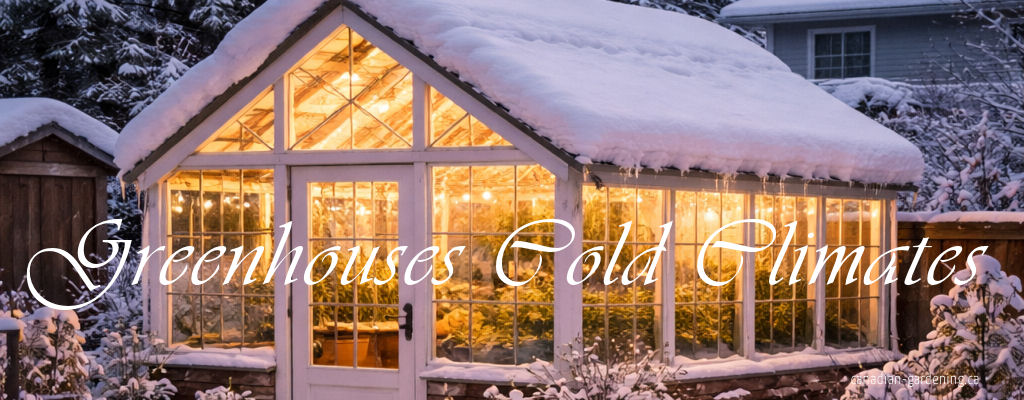
Small suburban greenhouse covered in snow during winter in Canada
A typical cold-climate suburban greenhouse in winter.

Greenhouse or Money Pit?

Staying Grounded in Cold Climates

We’ve all seen the photos: a crystalline greenhouse glowing with the golden light of eternal spring while the rest of the neighbourhood is buried in sleet.

It’s the ultimate gardener’s status symbol—February tomatoes, tropical ferns, perfection.

But as I stood in my backyard, tape measure in hand, the daydream started to crack. In Canada, greenhouses come wrapped in promise, but the reality is rarely that simple—and that’s what makes it interesting.

Where I live, anything larger than 96 square feet (I think) requires a permit. Every greenhouse teaches something different—not just about light, temperature and patience, but also about bylaws and paperwork.

Some experiments succeed, others fail quietly and all leave you thinking about what’s truly worth the effort. This page isn’t about the ultimate blueprint; it’s about sharing what I’ve noticed, what I’m still learning and inviting you to reflect on your own greenhouse adventures along the way.

I think every gardener dreams of having a greenhouse. Eventually, you ask yourself the real question: how badly do I want it? From there, you either let the idea go — or you plan for one and commit. I already spend a lot on landscaping, plants, and water, so any greenhouse has to earn its place.

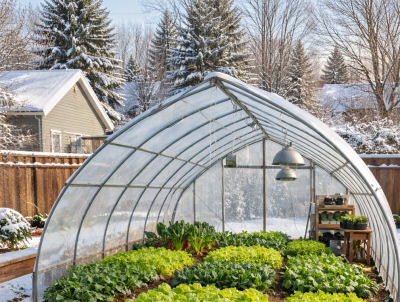
Leafy greens thriving in a cold-climate greenhouse
Leafy greens growing well despite winter conditions, illustrating success in cold-climate greenhouse gardening.

Why Cold-Climate Greenhouses Are Different

Greenhouses in cold climates offer both promise and challenge. While the dream of early spring vegetables or tropical plants is enticing, the reality is shaped by light, insulation, energy costs, and seasonal fluctuations. Success depends less on structure alone and more on understanding your environment and adjusting expectations.

    Greenhouses in Cold Climates

  • Temperature swings can be extreme: even insulated greenhouses experience rapid heating and freezing, stressing plants.
  • Light is precious: short winter days in northern latitudes may require supplemental lighting to achieve consistent growth.
  • Maintenance matters: polycarbonate or glass panels accumulate algae and snow, requiring regular care to protect both plants and structure.
  • Energy costs can surprise you: heating for frost-sensitive plants in sub-zero conditions can be substantial, often outweighing the yield.

Cold-climate gardeners often layer insulation, use thermal mass like water barrels or stone, and monitor internal conditions closely. Even small adjustments, such as sealing gaps and using frost cloths, can make a big difference while keeping energy costs manageable.

Leafy greens, root vegetables, herbs, and hardy perennials generally perform best. More tropical plants can grow with supplemental heat and light, but they demand constant attention, which may not justify the effort or expense for many suburban gardeners.

Not necessarily. Many gardeners find that strategic use of cold frames, row covers, and indoor seedlings gives comparable results with far less cost and maintenance. The greenhouse can be rewarding, but only if you’re prepared for the work it demands.
Plant Type (Winter Hardiness) Notes
Leafy Greens High Grow well with minimal supplemental heat, tolerate short cold snaps.
Tomatoes & Peppers Low Require heat and light; may not justify cost in a small suburban greenhouse.
Quick Facts About Cold-Climate Greenhouses
  • Insulation and thermal mass can reduce energy costs by 20–40%.
  • Snow and algae maintenance is unavoidable; plan for weekly checks in winter.
  • Short daylight hours in northern latitudes often limit plant growth without supplemental lighting.

Notes from the Lion Gardener:

Many gardeners dream of having a greenhouse, but I've found that no matter how big you think it should be, you'll often wish it were just a bit larger. If you have the space, time and resources, a greenhouse can be a fantastic addition to your gardening routine.

Tending a Greenhouse

Plants in a greenhouse still need the same care as those outside: nutrients, water, and protection from insects and diseases. What makes a greenhouse convenient also makes it demanding. Regular monitoring is key, but the reward is having more control over your growing environment and extending your gardening season.

Temperature

Heaters, fans and vents are your best friends when it comes to maintaining the right temperature. In very cold zones (2–4), heating may be the only way to grow certain crops, like peppers, to full ripeness. As a general guideline:
  • Summer crops: 75–85°F during the day, 60–70°F at night.
  • Winter crops: 45°F at night, 65–70°F during the day.
  • Cool-weather crops: 50°F at night, 60–65°F during the day.
  • Warm-weather crops: 55°F at night, 65°F during the day.
Adjust the temperature according to the light levels and the specific needs of your plants.

Air Circulation

Proper air circulation is crucial for plant health. Dense growth can block airflow, which increases the risk of disease, fungi and mold. Fans or vents can help keep the air moving and your greenhouse plants happy and healthy.

Explore Other Pages