New for 2026:   Gardening Updates & Guides

🌿 Check out new updated pages for easy-accessible, climate and container gardening - all in one place.

Think Spring!: "Ontario groundhog says "early spring is coming!" is it time to start thinking "seeds" or pulling out the groundhog? 🦁
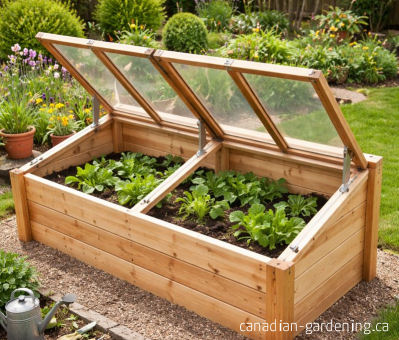
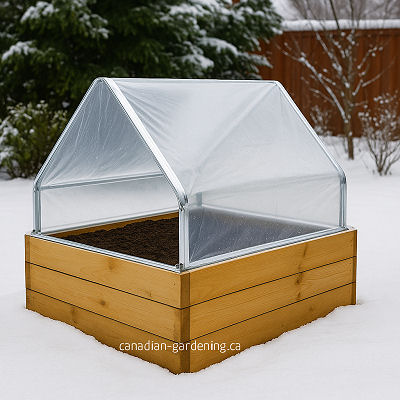
Raised bed used as cold frame

Cold Frames & Hotbeds:

Extend Your Growing Season

Simple, practical solutions for Canadian gardeners

My cold frame began as a humble raised vegetable bed covered with double sheets of plastic. It grows seedlings that wouldn’t survive early spring; although it’s not professional-looking, it works. This guide walks you through planning, building and managing a cold frame and a hotbed for your garden, no matter the size or experience level.

Permanent vs portable cold frames

Permanent or Portable?

Cold frames come in two basic forms: permanent structures or portable units. Permanent frames offer stability and can become part of your garden landscape. Portable frames allow flexibility, easier repositioning, and winter storage. Your choice depends on your space, seasonal use, and how hands-on you like to be.

  • Permanent: stable, integrates into garden, can be raised or in-ground
  • Portable: flexible, lighter, stored indoors or moved to sunnier spots
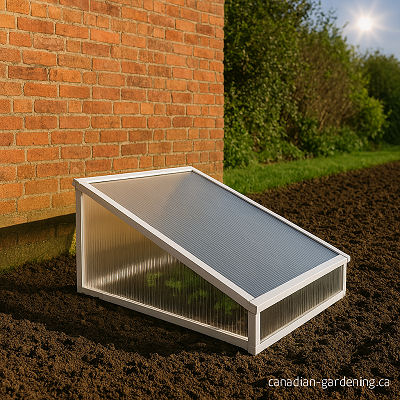
Choosing a site for cold frame

Site Selection

Choosing the right location ensures your cold frame performs well. Look for:

  • Full sun exposure, especially in early spring and fall. I have mine on the west side of my house
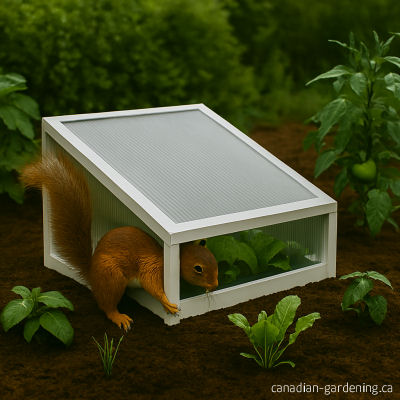
  • Protection from strong winds & critters
  • Good drainage to prevent standing water
  • Ease of access for maintenance and harvesting
Materials for cold frames

Materials, Dimensions, and Types of Frames

Cold frames can be built with a variety of materials, shapes, and sizes:

  • Materials: wood, PVC, recycled lumber, or old windows
  • Dimensions: small beds for portability or larger frames for higher yield
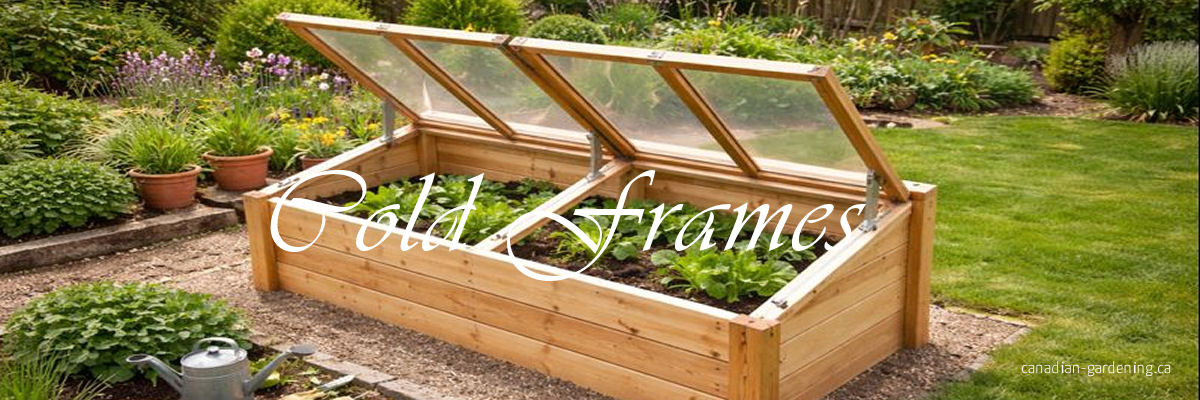
  • Frame types: tent-style, top-hinged lid, or flat panels
  • Tips: ensure ventilation and easy access for daily checks

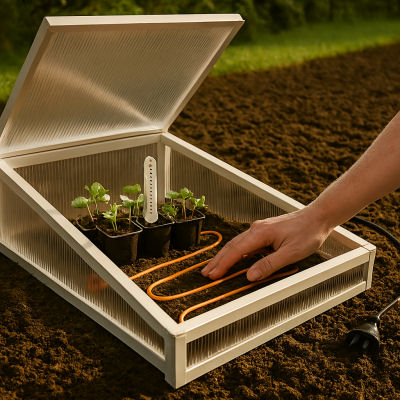
Cold frame with heater cable (hot bed)


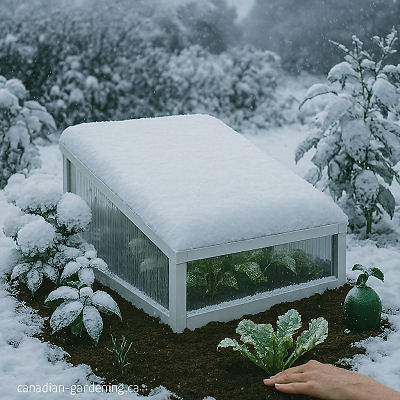
Cold frame

Hotbeds: Heated Cold Frames

Hot beds are essentially cold frames with added warmth, often using a heater cable or soil heat. They allow earlier seed starting and better protection during very cold spells.

Key benefits of hot beds:

  • Start seeds 2–4 weeks earlier than unheated cold frames
  • Protect delicate seedlings during late frosts
  • Can be used year-round in mild winters with proper insulation

Cold Frame vs Hotbed

Feature Cold Frame Hotbed
Heat Source Sun only Sun + heater cable / soil warmth
Best For Early spring/fall protection Very cold climates, early seed starts
Complexity Simple Medium
Cost Low Medium
Maintenance Low Medium

Water seedlings carefully β€” plastic traps moisture. Vent the frame on sunny days to prevent overheating, and check plants daily for growth and stress.

Raised beds reduce slugs and soil-borne diseases. Keep debris minimal, rotate crops, and monitor regularly for early signs of problems.

Use containers for delicate seedlings, and consider spacing to allow airflow. Seedlings benefit from gentle hardening off inside the frame before transplanting outdoors.

Seasonal uses for cold frame

Year-Round Uses

Cold frames extend your gardening season across spring, summer, and fall:

  • Spring: Hardening off seedlings, early greens, protecting against frost
  • Summer: Shade protection for delicate crops, continued growth for leafy greens. I start fall crops.
  • Fall: Extend harvest of root crops and leafy vegetables, protect late plantings
Hardening off seedlings in a cold frame

Hardening Off Seedlings

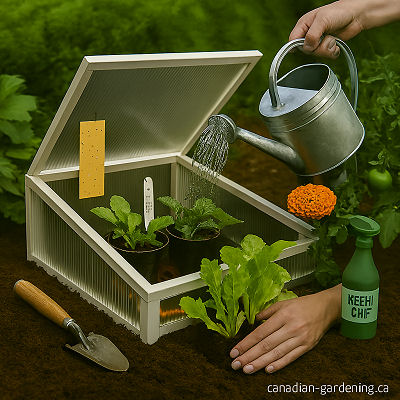
This is where I appreciate my cold frame the most. It gives seedlings a safe place to adjust to outdoor conditions without being fully exposed.

Strong winds, sudden temperature swings, and curious wildlife can undo weeks of careful growing in a single afternoon. A cold frame offers protection while still allowing plants to experience real sun, cooler air, and natural light.

Sun exposure is easy to manage β€” I can vent or shade as needed. The critters, though? I’m convinced they wait until I step inside before showing up to β€œredecorate” my garden.


Cold Frames

Cold frames are simple, low-cost structures for protecting seedlings and early crops. You can:

  • Direct sow seeds for early spring crops.
  • Start seedlings in small pots or cell trays
  • Extend harvests into fall by covering frost-sensitive plants

They work with raised beds or garden plots and can be permanent or portable depending on your space.


Hotbeds

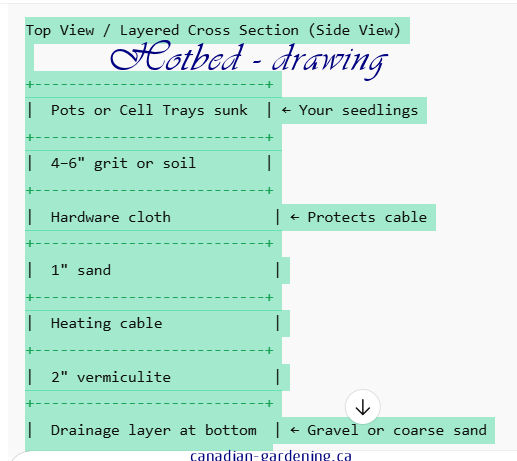
Hotbeds add gentle heat, perfect for getting seedlings off to a strong start. My setup is practical: :)

  • Layer good drainage at the bottom
  • 2" of vermiculite for insulation
  • Carefully laid heating cable
  • 1" of sand topped with hardware cloth to protect the cable
  • 4–6" of grit or soil, with pots or cell trays sunk in

This setup keeps roots warm, allows proper drainage, and avoids direct contact with the heating cable.

Tip: You can also combine with a cold frame on top for extra frost protection.

Hotbed drawing
Quick Tips:
  • If you sow your seeds in cell trays or pots; makes it easier to transplant and carry.
  • Cold frames don’t need to be fancy β€” raised beds + plastic sheets, left-over wood work perfectly.
  • Even small or β€œimperfect” frames protect early seedlings.
  • I like wood frames - then I can stain or paint to match the rest of the garden.
  • Observe daily; cold frames and hotbeds are teaching tools as well as growing structures. I love watching my seedlings do its thing when I busy with other stuff.

Explore Other Pages