January in the Garden
January is my favourite time of the year to work on this website. Holidays are over, the house is quiet and the slow-cooker is cooking supper. It's cold outside, laptop is warming my lap and I get to talk with you.
January also gives me a chance to slow down,
look at the garden from a different
perspective and begin thinking about
the growing season ahead and pretend that the mess in the shed does not exist.
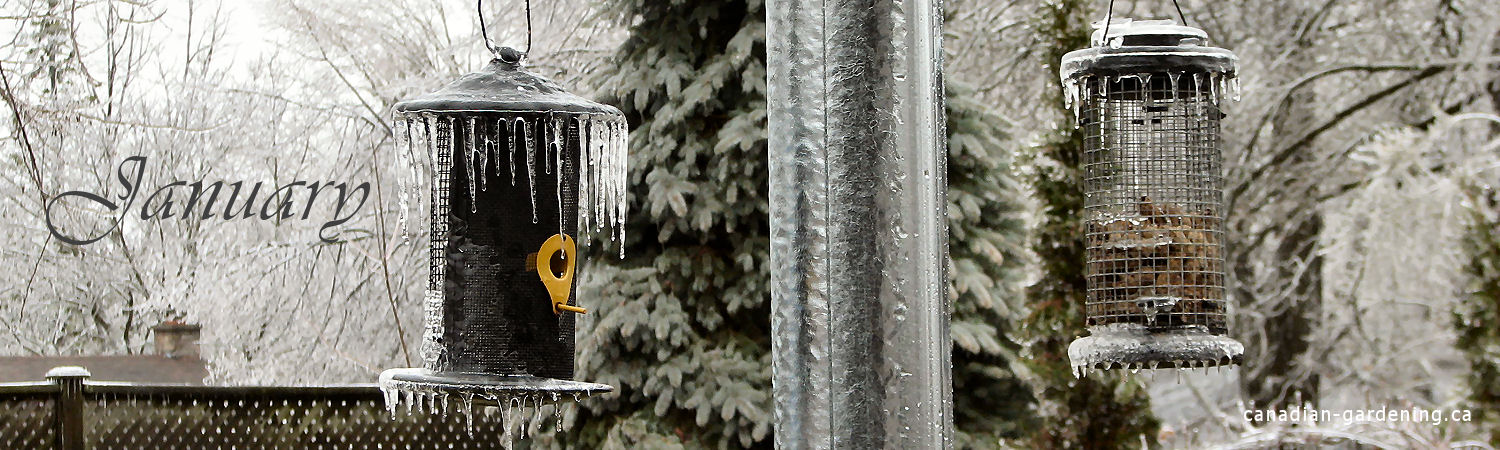
Looking Out of My Window:
What I'm Growing:
Last October, my daughter gifted me a potted plant arrangement, so I decided to overwinter the plants. I potted them up in separate pots and they're now on a shelf under grow lights. If they survive the winter, I'll arrange them again in their original container in the spring.
One plant in the arrangement that was new to me was Salvia. At first, I didn't know what it was. The flower buds looked like lavender, but it didn't smell like lavender and the leaves were broader. After searching around, I discovered that my mystery plant was a Salvia.
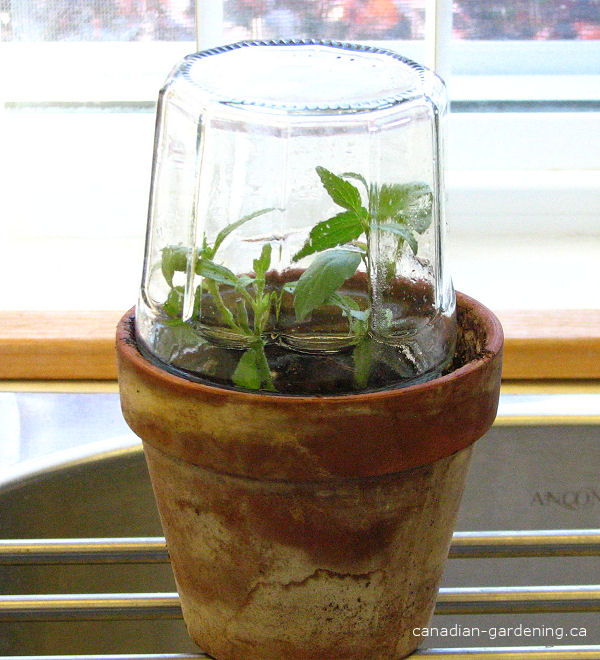
When it was time to put the Salvia on the shelf, it was touching the grow lights. So, I cut it back and propagated the cuttings.
So far, the cuttings look healthy. I found a small jam jar and I'm using it as a miniature greenhouse. I just have to remember to check my babies' humidity. If the cuttings grow, I'll have a new Salvia plant without having to buy one.
In January, I usually start my peppers and eggplants, but not this year. This year, I'll wait until March because, by the time May came around, I'd lost most of my plants to either damping off or aphids. This year, I'll start all my seeds on March 1, which means less electricity and less time babysitting plants!
On My Gardening List
#1 on the list: Hire a garden fairy to clean the seed room before I get started.
No, wait! I cleaned it before company came for the holidays. One job already done! :)
January is also a time to:
- Review seeds you already have and check their age.
- Plan new plantings and make a seed-order list.
- Inspect stored bulbs, tubers and other overwintered plants.
- Check tools and supplies so they're ready for spring.
Choose the jobs that suit your climate and growing conditions. There's no need to rush outdoor work when the ground is frozen or waterlogged. As for me, I do winter compost and feed my winter birds.
Notes from My Garden
Every season teaches me something. Sometimes a project succeeds, sometimes it needs changing, and sometimes I discover that a different approach might work better.
This year I'm making a mental note to sharpen my tools.
Nothing more frustrating than using clippers that are not sharp enough to cut small stems in the spring.
Wait - I think that's what I said last year as well.
Looking Ahead
The garden may be resting, but there are always ideas to consider. This is a good time to think about what you'd like to grow, improve, or try when the weather allows. I'm always trying to outsmart the wildlife in my backyard, but every year it's another puzzle.
Next month, we'll see what February brings and continue preparing for another gardening season. February with pop of colour from Amaryllis and forced winter bulbs makes me want to rush spring.