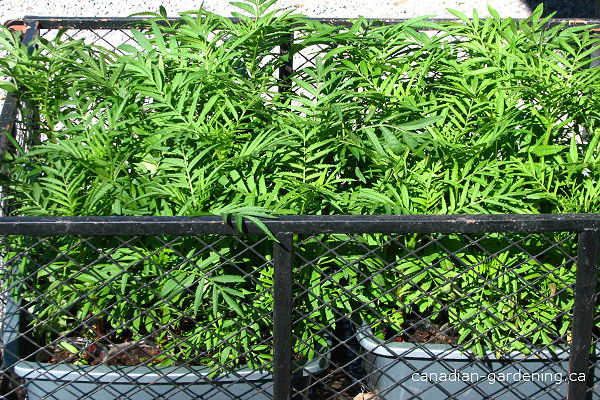
Spring garden beds in transition weather

Spring Shock Week Guide

When spring suddenly turns hot, dry, and everything needs doing at once

One week the garden is cold and wet. The next week it is hot, dry, and seedlings are ready. This guide helps you stay calm, plant in order, and keep water under control.

Hardening off seedlings in spring

What is Spring Shock Week?

Spring Shock Week happens when weather changes faster than the garden is ready for. Plants are ready to go outside, but soil, beds, and watering systems are still catching up.

  • Cold wet spring suddenly turns hot and dry
  • Seedlings are hardened off and ready
  • No rain in the forecast
  • Garden beds are still being prepared

The Real Problem

This is not a planting problem. It is a timing and moisture problem. The garden is in transition, and everything wants attention at the same time.

Avoid rushing everything at once. Do not wait for rain that is not coming. Do not rely only on sprinklers without checking soil moisture.

Focus on planting what is already ready, and keep moisture stable. Work in sections instead of trying to finish the entire garden.

Shift from β€œwait for rain” to planned watering cycles. Deep watering matters more than frequent light watering.

Quick Decision Guide

Situation Best Action Risk if Ignored
Hot dry weather arrives suddenly Water deeply and plant in small sections Transplant shock and stalling growth
Seedlings are hardened off Plant when soil can stay moist Overgrown stressed seedlings
Garden beds not finished Prepare only what you will plant immediately Delay leads to heat stress damage
Key Principles for Spring Shock Week
  • Water becomes the schedule, not the weather
  • Plant in sections, not all at once
  • Deep watering beats frequent sprinkling
  • Good enough soil beats perfect soil

Too Late or Still Okay to Plant or Sow?

A Canadian Gardener's Reality Check

This guide helps gardeners decide whether to plant, wait, or switch crops. Remember: gardening follows the weather, not the calendar.

Legend:
🟒 = Plant it
🟑 = Maybe (depends on your frost dates)
πŸ”΄ = Too late (consider alternatives)

Crop Spring Early Summer Mid Summer Notes
Lettuce 🟒 🟒 🟑 Use heat-tolerant varieties.
Spinach 🟒 🟑 πŸ”΄ Usually bolts in hot weather.
Radishes 🟒 🟒 🟒 Fast-growing crop.
Beets 🟒 🟒 🟑 Excellent fall harvest potential.
Carrots 🟒 🟒 🟑 Summer sowing often produces great fall carrots.
Peas 🟒 🟑 πŸ”΄ Heat becomes the limiting factor.
Beans 🟒 🟒 🟒 One of the most forgiving crops.
Cucumbers 🟒 🟒 🟑 Quick-growing warm-season crop.
Zucchini 🟒 🟒 🟑 Often catches up quickly.
Pumpkins 🟒 🟒 🟑 Check days to maturity.
Sweet Corn 🟒 🟒 🟑 Earlier varieties perform best.
Sunflowers 🟒 🟒 🟑 Many fast-growing varieties available.

The Lion Gardener Rule:
Before deciding it's too late, ask yourself:

  • Did I miss the calendar?
  • Or did I miss the growing season?

Many crops care more about frost dates, days to maturity, and available moisture than what month is on the calendar.
Warm Season Crops

Crop May June July Notes
Beans 🟒 🟒 🟒 One of the most forgiving crops. If the soil is warm, plant them.
Cucumbers 🟒 🟒 🟑 Fast-growing and often productive even from later sowings.
Zucchini 🟒 🟒 🟑 Often catches up quickly and can produce heavily.
Pumpkins 🟒 🟒 🟑 Check days to maturity and choose earlier varieties if planting late.
Sweet Corn 🟒 🟒 🟑 Earlier maturing varieties perform best for late planting.
Sunflowers 🟒 🟒 🟑 Many dwarf and fast-growing varieties can still bloom before frost.
Sweet Potatoes 🟒 🟒 🟑 Plant slips as soon as warm weather settles in. Later planting may reduce harvest size.
Tomatoes (Transplants) 🟒 🟒 🟑 Large transplants can still produce if planted and watered well.
Peppers (Transplants) 🟒 🟒 🟑 May produce later if planted in July but often yield less.

Quick Rule: Warm-season crops care more about soil warmth and remaining frost-free days than the date on the calendar. A late start can often be overcome by warm weather and good growing conditions.

A cold, wet spring can delay planting by 2–4 weeks. That does not automatically mean you are behind.

A "Canadian Reality"
Cold wet springs often delay planting by weeks.
Many Canadian gardeners think they are behind when they are actually right on schedule for their local conditions.
Gardening should follow the weather, not the calendar.
This year - spring is wet and cold - here I am in June and still planting in zone 6a.

Related Guides


Site support: Advertising helps support canadian-gardening.ca and keeps the site free for everyone.