Planting Apple Trees
Proper planting establishes strong roots and sets the foundation for long-term tree health and productivity.
- When to plant
- Soil preparation
- Planting depth
🌿 Fresh tips for accessible, climate and container gardening! 💡 Tip: Bookmark this website to quickly find seasonal guides whenever you need them.
Don't Know Where to Start: Try Growing by Zones 2-9 - Google Search Box at the bottom of the page - works most of the time. :)
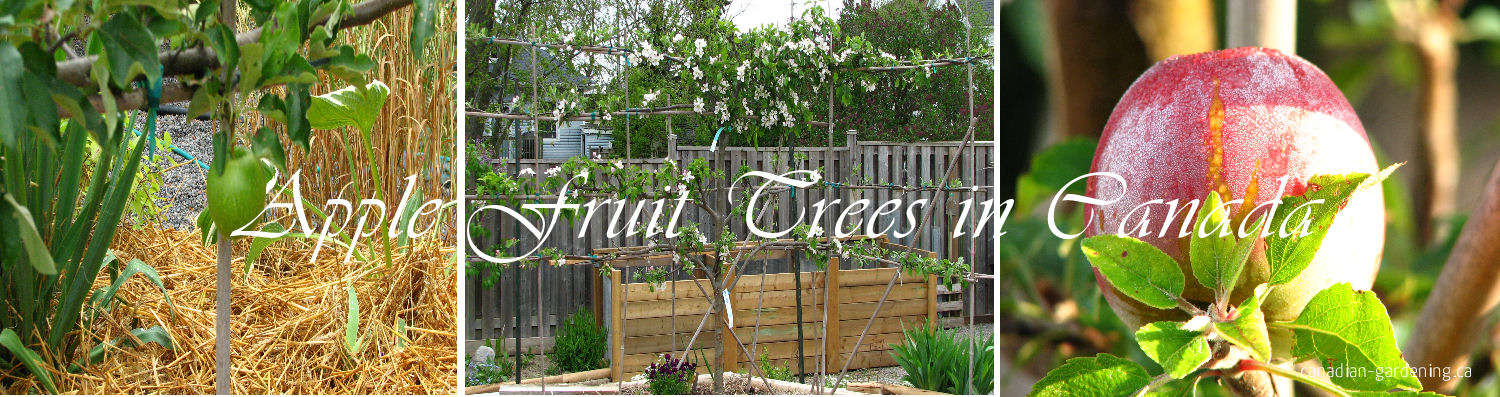
Apple Trees: A central guide covering planting, pruning, varieties, pests, and diseases for Canadian climates.
Apple trees are one of the most reliable fruit trees for Canadian gardens when matched with the right variety and care practices. This hub organizes the key topics so you can move step by step through growing, maintaining, and troubleshooting your trees.
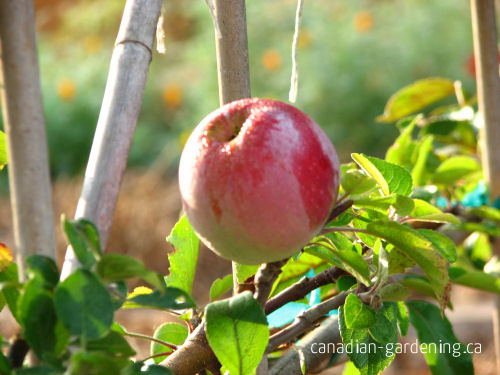
Proper planting establishes strong roots and sets the foundation for long-term tree health and productivity.
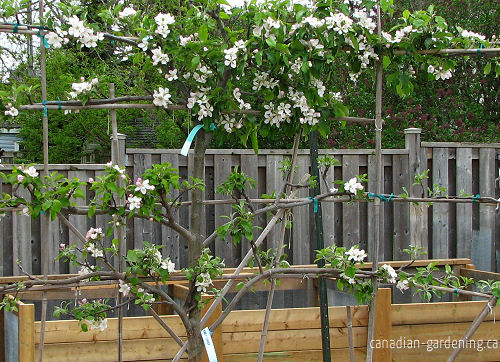
Pruning helps shape the tree, improve airflow, and maintain long-term fruit production.
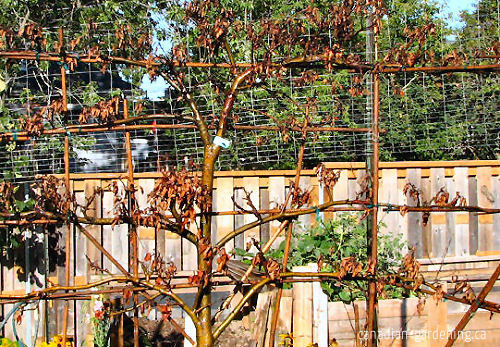
Identifying diseases early helps prevent spread and reduces long-term damage to the tree.
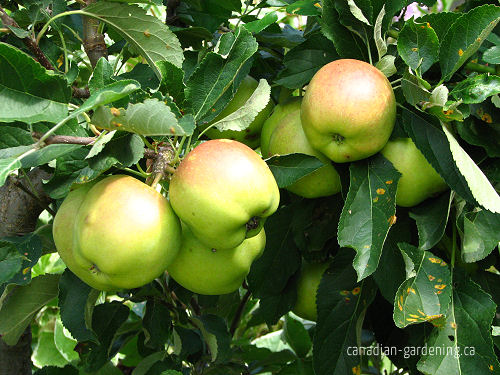
Pests are part of growing fruit trees. The focus is on managing damage rather than eliminating every insect.
Yes. With the right variety and proper care, apple trees are among the most reliable fruit trees for Canadian climates.
Common causes include disease, environmental stress, root issues, or cumulative seasonal stress.
They require periodic pruning and monitoring, but are manageable with a consistent care routine.