🌿 New for 2026: Canadian Gardeners - Fall Chores
👉 Join our Gardening ForumNot sure what to plant in your zone? Ask here - I'll help you figure it out.
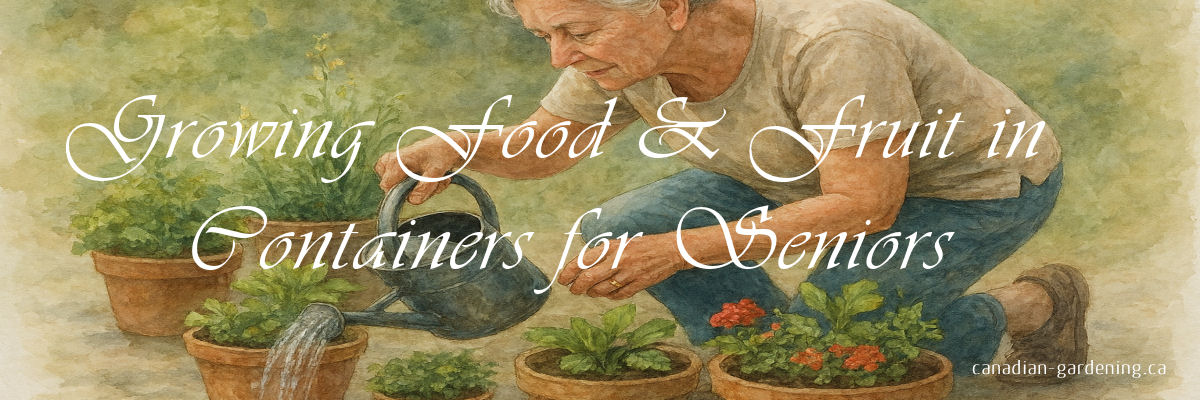
Growing Food & Fruit in Container
This page is for gardeners who’ve downsized, adapted, or simply decided to outsmart the chaos. Containers let you grow food and fruit without bending as much, fencing half the yard, or arguing with rabbits, chipmunks, and the occasional fox. From berries and figs to peppers and potatoes, container gardening makes it easier to protect your harvest, move plants where they’re happiest, and keep gardening fun — even when nature has other plans.
“Why containers make sense — especially now”
Not everyone wants — or needs — a big garden anymore. Downsizing, critters, weather, aching joints, or just plain common sense often lead gardeners to one simple truth: containers make life easier. Growing food and fruit in pots, tubs, and planters lets you garden where you are, protect what you grow, and still enjoy the harvest — whether that’s strawberries on a balcony, peppers by the back door, or potatoes that don’t get “redistributed” across the lawn by wildlife.At some point, many gardeners realize they aren’t just growing food — they’re hosting a wildlife buffet. Container gardening is one way to take back a little control. Whether you’re gardening on a balcony, a small yard, or beside the house, growing food and fruit in containers makes it easier to protect plants, reduce bending, and keep gardening enjoyable instead of exhausting.
Quick Jump:
Why Containers
Fruits That Thrive
Vegetables for Containers
Container Tips
Critter Challenges
Season Extension
Getting Started
Lion Gardener Stories
Why Containers
Fruits That Thrive
Vegetables for Containers
Container Tips
Critter Challenges
Season Extension
Getting Started
Lion Gardener Stories
Why Containers Are Perfect
- Control: Move plants to follow the sun, protect them from harsh weather, or shield them from wildlife.
- Accessibility: Raised or elevated containers reduce bending and make gardening easier on knees and backs. See our tools for mobility page for ideas.
- Pest Management: Easier to keep squirrels, chipmunks, rabbits, and other critters away. Read about protecting plants from bunnies and other critters.
Moving to a smaller yard doesn’t mean giving up your gardening dreams. With containers, you can grow delicious fruits, vegetables, and even small fruit trees — all in a space that’s easier to manage, protects your plants from critters, and keeps your gardening routine stress-free.
Fruits That Thrive in Containers
- Strawberries: Protect with cages or netting; elevated containers work well. Tips here: strawberry planting tips.
- Blueberries: Need acidic soil; dwarf varieties thrive in pots.
- Figs: Survive Canadian winters indoors; containers allow easy relocation.
- Dwarf fruit trees: Apples, pears, and cherries in patio-friendly varieties.
Vegetables for Containers
- Leafy greens: Lettuce, spinach, kale — fast-growing and easy to harvest.
- Herbs: Basil, parsley, chives, thyme — perfect in sunny pots. Learn how to grow herbs.
- Peppers & tomatoes: Require bigger pots, support stakes, and protection from critters. See pepper plants in Canada.
- Root crops: Carrots, radishes, and potatoes thrive in deep containers. For potatoes, see growing potatoes in containers.
- Sweet potatoes: Require warm soil, lots of sun, and deep containers. Learn more here.
Container Tips for Seniors
- Lightweight pots: Fiberglass, resin, or grow bags reduce lifting.
- Elevated beds or stands: Makes watering and harvesting easier.
- Self-watering containers: Great for seniors who want less frequent watering.
- Mobility: Wheels or sliders make it easy to move plants for sun, frost, or protection.
- Soil & compost: Use high-quality potting mix; amend with compost or organic fertilizers.
Critter Challenges & Solutions
- Chipmunks, squirrels, rabbits, and even birds will try to get your harvest. Check out chipmunk stories.
- Netting, cages, and hardware cloth help protect crops.
- Raised and mobile containers reduce wildlife access.
- Accept that some “wildlife tax” is inevitable — one or two berries may disappear, but most stay safe.
Season Extension
- Move containers to sheltered spots in early spring or fall.
- Use cold frames, mini-greenhouses, or indoor spaces for overwintering tender plants.
- Indoor overwintering works well for figs, peppers, and other tender crops.
Getting Started
- Start small: 2–4 containers per plant type.
- Focus on plants you enjoy eating most.
- Keep a notebook: track watering, sunlight, critter incidents, and harvests.
- Have fun: gardening in a smaller space can be just as rewarding as a big yard — with less weeding and bending!
Explore Other Pages
Site support: Advertising helps support canadian-gardening.ca and keeps the site free for everyone.