🌿 New for 2026: Canadian Gardeners - Fall Chores
👉 - If you have the time to help me out - please share canadian-gardening.ca with friends. Thank you!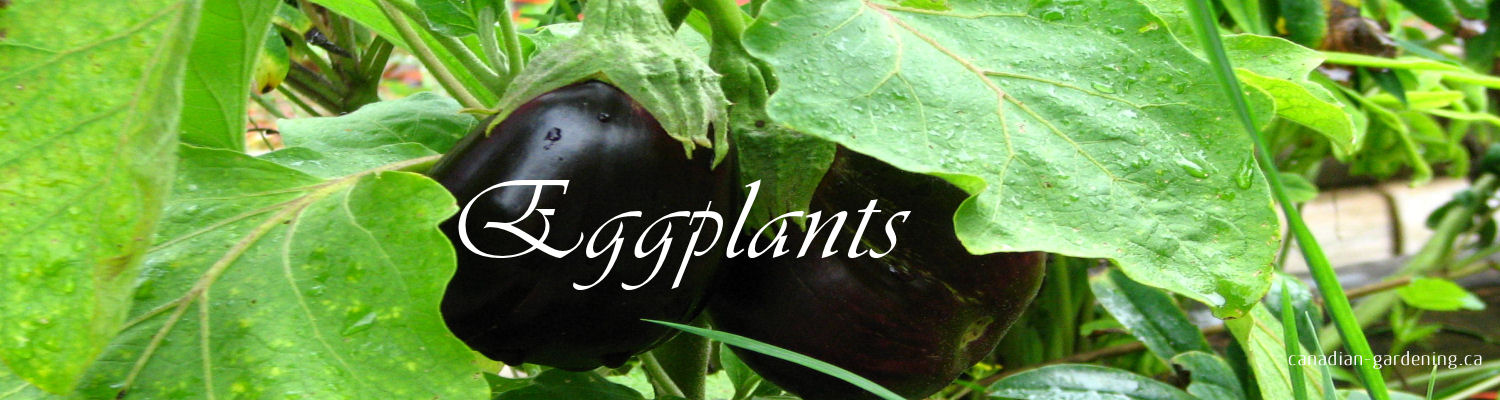
How to Grow Eggplants in Canada (Solanum melongena)
Growing, Care, and Tips for a Successful Harvest
Eggplants are beautiful, heat-loving vegetables that can be temperamental to grow. I’ve had years where starting seeds under lights was hit-and-miss, and even buying young plants didn’t guarantee much success. One year, I only got three fruits — but they were so pretty and soft, I almost didn’t want to eat them! Good thing eggplants will keep in the fridge for two weeks.
Eggplant Cultivars I Grow
- Italian Globe: Classic large purple eggplant, good for roasting and frying.
- Black Beauty: Reliable traditional variety with smooth skin.
- Miniature Varieties: Small, tender, and great for patios or containers.
Planting & Starting Eggplants
Eggplants need warm soil and consistent warmth to thrive. I start seeds indoors 8–10 weeks before the last frost. Under lights, germination can be tricky — sometimes it works, sometimes it doesn’t. Seedlings need steady warmth and light to develop strong stems. If starting under lights fails, buying healthy young plants is also an option, but yields may still be modest the first year.
Soil & Fertilizer
Rich, well-drained soil with a slightly acidic to neutral pH (5.8–6.5) works best. I mix compost into the planting hole and occasionally feed with worm tea or compost tea during flowering and fruiting.
Spacing
- 18” – 24” apart for standard varieties.
- Mini varieties can be closer, about 12” – 18”.
Sunlight
Full sun, at least 6–8 hours per day. Eggplants are sensitive to cool temperatures; warm days and nights help flowering and fruit set.
Care and Maintenance
Watering
Keep soil evenly moist but not soggy. Mulch helps retain moisture and protects roots. Avoid wetting leaves to reduce disease risk.
Support
Taller varieties may need staking or small cages to support fruits. Miniatures usually manage fine on their own.
Pests & Problems
Flea beetles and aphids can attack young plants. To avoid this problem, keep plants inside until early summer or cover with row covers. Colorado potato beetles will lay eggs on leaf undersides. Just handpick like for tomato hornworms and dispose of them. Eggplants can also be sensitive to temperature swings, which can cause flower drop or poor fruit set.
Disease
The most common eggplant disease is Verticillium wilt. Plant resistant cultivars and rotate crops.Harvest
Pick fruits when they are firm, glossy, and still tender. Overripe eggplants can become bitter and develop tough skin. To test for ripeness, press the skin. If the indentation doesn't spring back the fruit is ready to harvest.
Eggplant Soil pH Guidelines
Eggplants prefer slightly acidic to neutral soil to absorb nutrients effectively and reduce disease risk.
| Eggplant Type | Preferred Soil pH (approx.) | Notes |
|---|---|---|
| Standard Varieties | 5.8 – 6.5 | Large fruits; may need staking |
| Miniature / Patio Varieties | 5.8 – 6.5 | Compact plants; easier to grow in containers |
Tip: Soil pH affects nutrient uptake — slightly acidic soil encourages healthy leaves, flowers, and fruit set.
Quick Facts for Eggplants
- Sunlight: Full sun, at least 6–8 hours daily.
- Watering: Keep soil evenly moist; mulch helps retain moisture.
- Spacing: 18”-24” standard, 12”-18” miniatures.
- Soil: Rich, well-drained, slightly acidic to neutral (pH 5.8–6.5).
- Fertilizer: Compost or worm tea during flowering and fruiting.
- Pests: Flea beetles, aphids; monitor and hand-pick.
- Support: Tall varieties may need staking; miniatures usually do fine.
- Harvest: Firm, glossy, tender fruits; avoid overripe for best taste.
“Did You Know?”
Why are eggplants called eggplants?
The name comes from early varieties grown in England in the 1700s that produced small, round, white fruits that looked like eggs. Modern varieties, such as the deep purple ‘Black Beauty,’ were developed much later and no longer resemble eggs at all. In many other countries, eggplants are known as aubergines or brinjals.Explore Other Pages
Site support: Advertising helps support canadian-gardening.ca and keeps the site free for everyone.