New for 2026: Gardening Updates & Guides
🌿 Fresh tips for accessible, climate and container gardening! 💡 Tip: Bookmark this website to quickly find seasonal guides whenever you need them.
Don't Know Where to Start: Try Growing by Zones 2-9 - Google Search Box at the bottom of the page - works most of the time. :)
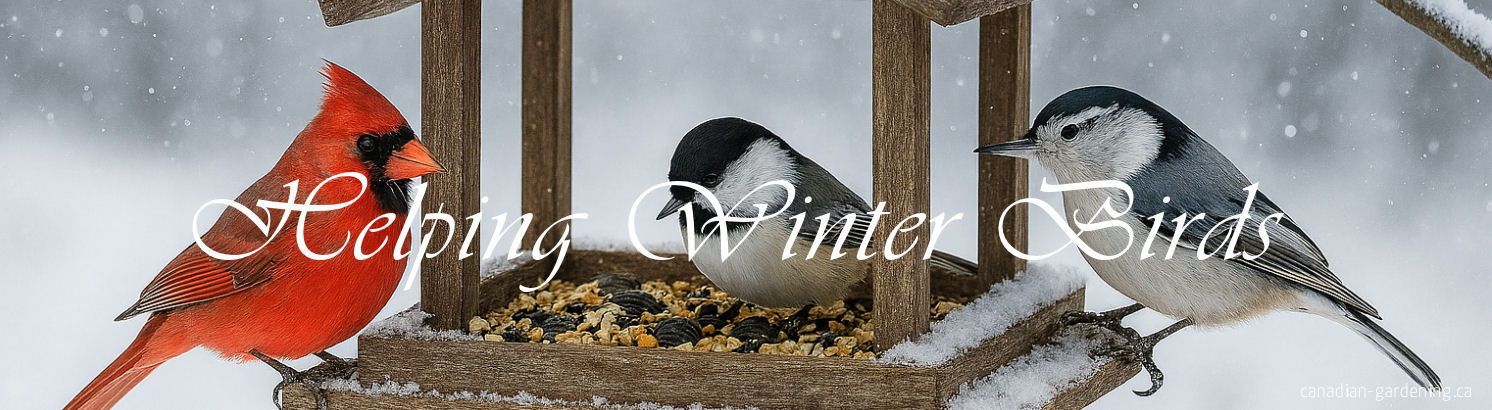
Helping Winter Birds in Canada
Simple Ways to Support Backyard Birds in Cold Weather
Winter can be challenging for birds, but small actions can make a real difference.
From providing energy-rich food to offering shelter and taking time to observe,
this page brings together practical ways to help birds through Canadian winters.
Today is already -17C and going down to -25C tonight and it's so windy. The little birds are trying so hard to just stand at the feeder, but they're also so happy to have some food. One of them almost landed on me today. No!, he/she didn't bless me and I was so grateful for that. I wasn't ready to go in for a shower right away. :)
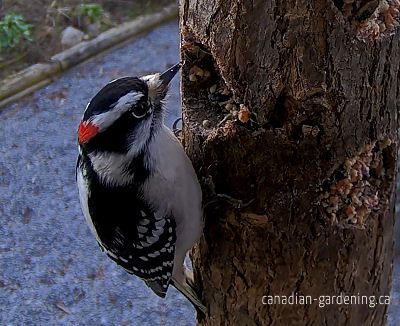
Feed Birds for Winter Energy
Cold temperatures increase birds’ energy needs. Offering the right food helps them maintain body heat and stay active during winter.
- Black oil sunflower seeds, peanuts for high fat content
- Suet and fat balls for long-lasting energy
- Dry, clean feeders to prevent spoilage
- Consistent feeding during extreme cold
Birds are well adapted to cold weather, but reliable food sources and shelter can reduce stress during storms, deep snow, and extreme cold.
High-fat foods like black oil sunflower seeds and suet help birds maintain energy during the coldest months. Keep feeders clean and dry.
Dense shrubs, brush piles, or birdhouses placed away from strong winds provide protection and warmth for winter birds.
| Winter Care Action | Why It Helps | Helpful Tip |
|---|---|---|
| Clean feeders | Reduces disease spread | Wash regularly with hot water |
| Provide shelter | Protects from wind and storms | Use shrubs, trees, or brush piles |
- Birds fluff feathers to trap warm air
- High-fat food is critical in cold weather
- Wind protection is just as important as food