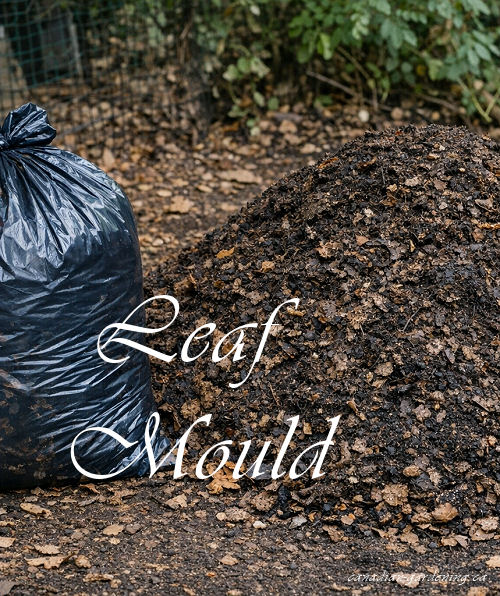
Leaf Mould: An Easy Way to Improve Your Garden Soil

Turn fallen leaves into a simple, natural soil conditioner

Every autumn, bags of leaves get hauled to the curb — while gardeners spend money trying to improve their soil in spring. Those same leaves can quietly become one of the simplest and most effective soil conditioners you can make at home.

Fertilizers feed your plants, compost feeds your soil, and leaf mould improves the structure that holds it all together.


Leaf mould soil texture

Add some leaf mould to you worm bins.
Worms love it!

What Is Leaf Mould?

Leaf mould is made from leaves that break down slowly through fungal decomposition rather than fast composting. Instead of heating up like a compost pile, leaves gradually soften and collapse into a dark, crumbly material.

This material doesn’t add many nutrients, but it plays an important role in improving how your soil behaves — making it easier to work, better at holding water, and more supportive of healthy plant growth.

Why Use It?

  • Improves soil structure and makes heavy soil easier to work
  • Holds moisture in dry conditions and reduces watering needs
  • Loosens clay soil and improves sandy soil
  • Works as a natural mulch that protects soil over time

Leaf mould is also much lighter than compost, making it easier to handle and spread — especially when working in larger garden areas.

Feature Leaf Mould Compost
Nutrients Low High
Soil Structure Excellent Good
Speed Slow Faster

Compost feeds your plants. Leaf mould improves the soil they grow in.

Used together, they create a balanced approach — compost adds nutrients, while leaf mould improves the environment those nutrients work in.

Pile leaves in a corner or wire bin. Keep them slightly moist and leave them to break down over 6–12 months. This is the simplest method and requires very little attention.

Shred leaves using a mower, then store them in bags or a bin. Keep slightly damp. Smaller pieces break down faster, reducing the process to about 6–9 months.

If you don’t have a shredder, simply mow over dry leaves before adding them to your pile. It’s an easy way to speed things up without extra equipment.

How to Use Leaf Mould
  • Mulch around shrubs and perennials to protect soil and retain moisture
  • Mix into garden beds to improve soil structure over time
  • Add to potting mixes to create a lighter, more workable texture
  • I also add leaf mould to my worm bins - they love it

When to Make It: Fall is the best time to start leaf mould. Collect leaves, shred if possible, and let them break down over winter and into the following year. Leaf mould is slow, but it requires very little effort once started.

🌿 Fallen leaves aren’t waste — they’re next year’s soil.

Explore Other Pages