Popular Shade Plants
- Hosta
- Hydrangea
- Ferns
- Daphne cneorum ( rose daphne )
- Japanese Forest Grass
- rhododendrons and azaleas
- Ajuga reptans ( ajuga )
- Spring Ephemerals
- Plants for Shade Gardens
🌿 Fresh tips for accessible, climate and container gardening! 💡 Tip: Bookmark this website to quickly find seasonal guides whenever you need them.
Don't Know Where to Start: Try Growing by Zones 2-9 - Google Search Box at the bottom of the page - works most of the time. :)
A shade garden offers a cool, peaceful retreat in your yard—an inviting space where lush foliage and delicate blooms thrive out of direct sun, including me. Whether you’re working with deep forest shade or the softer dappled light beneath trees, planning the right plants and design turns an often-overlooked corner into a beautiful, low-stress garden haven. In this guide, you’ll learn how light levels, soil, and plant selection all work together to make shade gardening rewarding and successful in Canada’s varied climates. I love my shade garden, it's so peaceful!
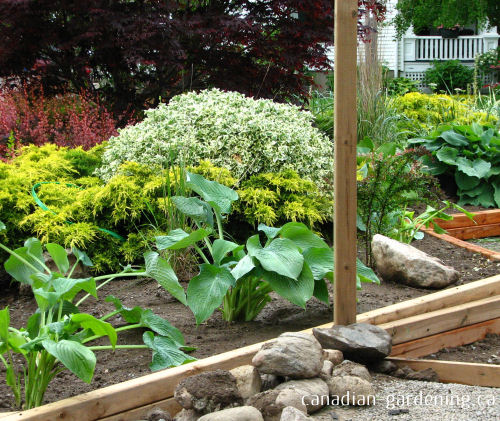
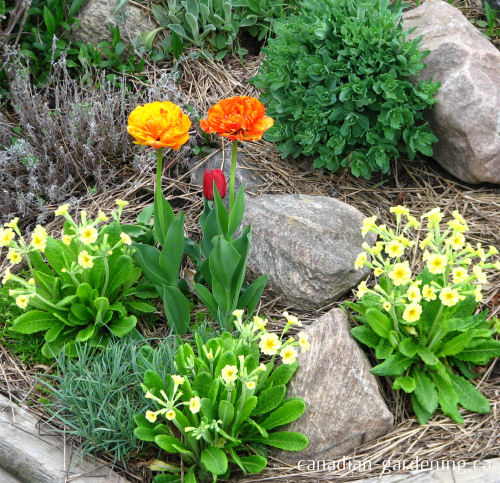
| Shade Type | (Hours of Direct Sun) | Typical Conditions & Plant Notes |
|---|---|---|
| Dappled Shade | Varies; sun filters through leaves | Under tall deciduous trees or near shrubs; many perennials and woodland plants do well |
| Light / Partial Shade | 3–6 hours | Morning sun or afternoon shade; good for ferns, hostas, and shade-tolerant annuals |
| Full Shade | Less than 3 hours | North sides of buildings or dense tree cover; focus on foliage interest; flowering may be limited |
| Deep Shade | Almost no sun | Thick canopy with dense root competition; only the hardiest shade-loving plants will survive; see our deep-shade page for solutions |
| Tip: Observe your garden at different times of day to accurately identify your shade type before choosing plants. | ||
Once you know the different shade types, the next step is to observe your own yard so you can match plants to the right conditions. A little time spent here will save you frustration later.
Quick Tip: Keep a small garden journal or sketch of your yard. Label each area with its shade type and soil moisture. This visual guide makes plant selection much easier and connects naturally to our plant lists and shade garden design ideas.